Understanding Replacement Car Keys: Everything You Need to Know
When it concerns owning a vehicle, losing or damaging car keys can be a considerable hassle. Replacement car keys are necessary for any car owner, however the procedure can be complicated and frequently expensive. In this article, we will check out the various kinds of car keys, the process of getting a replacement, potential costs, and some regularly asked questions.
Kinds Of Car Keys
Knowing the kind of car key you have is crucial when looking for a replacement. Here are the primary classifications of car keys:
| Type of Key | Description |
|---|---|
| Conventional Keys | Fundamental metal keys utilized in older lorries equipped with mechanical locks. |
| Transponder Keys | Keys with built-in chips that communicate with the car's ignition system, boosting security. |
| Remote Key Fobs | Keys that include a push-button control feature to unlock or begin the car, typically combined with transponder innovation. |
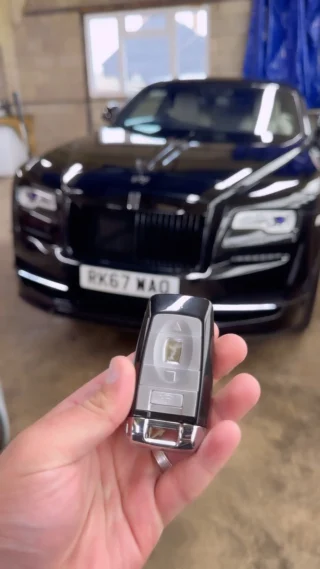
| Smart Keys | Keyless entry systems that utilize distance sensors for ignition and unlocking the doors. |
| Valet Keys | Limited-function keys that allow valet attendants to park the car without accessing the trunk or glove compartment. |
Advantages and Disadvantages of Each Key Type
Conventional Keys
- Benefits: Simple to change; inexpensive.
- Drawbacks: Less secure; easy to replicate.
Transponder Keys
- Advantages: Higher security; resistant to theft.
- Drawbacks: More costly to replace; requires unique devices.
Remote Key Fobs
- Advantages: Convenient for accessing the vehicle; often includes additional features (e.g., panic button).
- Disadvantages: Requires battery replacement; can be pricey.
Smart Keys
- Advantages: Fully incorporated system; improved user experience.
- Disadvantages: Complex and pricey to change; may require reprogramming.
Valet Keys
- Advantages: Provides a level of security when providing access to others.
- Disadvantages: Limited performance can hassle users.
The Process of Getting Replacement Car Keys
Getting a replacement car key can vary depending upon the type of key and the vehicle's producer. Here's a detailed guide to assist browse the procedure:
- Identify the Key Type: Determine the type of key you require to replace (standard, transponder, remote, and so on). Understanding this will assist you when going over with locksmiths or dealers.
- Find Your Vehicle Identification Number (VIN): The VIN is important for locating your car's specific key code. It is normally discovered on the driver's side dashboard or in the vehicle's title and registration documents.
Choose Your Replacement Option: You have several alternatives for acquiring a replacement key:
- Dealership: Going through the maker offers the greatest assurance of a best match, although it is often the most expensive option.
- Licensed Locksmith: A certified locksmith can frequently offer replacement keys for a fraction of the cost, particularly for transponder keys.
- Online Services: Some online retailers use car keys and fobs that can be cut and configured in your home. Nevertheless, accuracy is vital with this option.
- Supply Necessary Documentation: When checking out a dealer or locksmith, be prepared to show evidence of ownership (e.g., title or registration) and your recognition.
- Cutting and Programming the Key: Depending on the type of key, a locksmith or dealership will either merely cut your key or also program it to communicate with your vehicle.
- Evaluate the New Key: Before leaving, guarantee that the brand-new key works properly with your car. Test both the key cutting and any electronic functions.
Expenses Involved in Replacement Car Keys
Replacement costs can fluctuate based upon a number of factors, including vehicle make and model, key type, and place. Listed below, discover a basic overview of the prospective costs:
| Type of Key | Typical Replacement Cost |
|---|---|
| Traditional Keys | ₤ 5 to ₤ 25 |
| Transponder Keys | ₤ 50 to ₤ 300 |
| Remote Key Fobs | ₤ 50 to ₤ 500 |
| Smart Keys | ₤ 200 to ₤ 600 |
| Valet Keys | ₤ 10 to ₤ 50 |
The expenses can build up substantially, particularly for key fobs and smart keys, making it a great concept to take safety measures to avoid losing your keys in the first place.
Often Asked Questions (FAQs)
Q: Can I replace my car key myself?A: While some standard keys can be replaced in the house, complex keys such as transponder and smart keys need special programming and cutting tools, making a professional service a better choice. Q: What must I do if I lose my only car key?A: First, contact a car dealership or locksmith to discuss a replacement. Snapped Car Key may need to offer proof of ownership and possibly the VIN. Q: How can I avoid losing my car keys?A: Consider getting a key tracker, establishing
a designated area for your keys in the house, or using a lanyard or keychain that connects to your bag. Q: Is it legal to make a copy of my car key?A: Yes, as long as you own the vehicle. However, be conscious that not all key
types might be quickly copied. Q: How long does it take to get a replacement key made?A: The timeline can vary from a few minutes if you have a traditional key to a couple of hours or even a day for advanced keys like smart keys due to programming requirements. Changing car keys can be detailed however comprehending the type of key, the procedure to get a brand-new one, and the associated expenses can relieve much of the confusion.
Car owners need to be proactive about handling their keys to prevent unneeded replacements. In case of loss, keeping essential info useful can streamline the replacement process, making sure that you can get back on the roadway as quickly as possible.